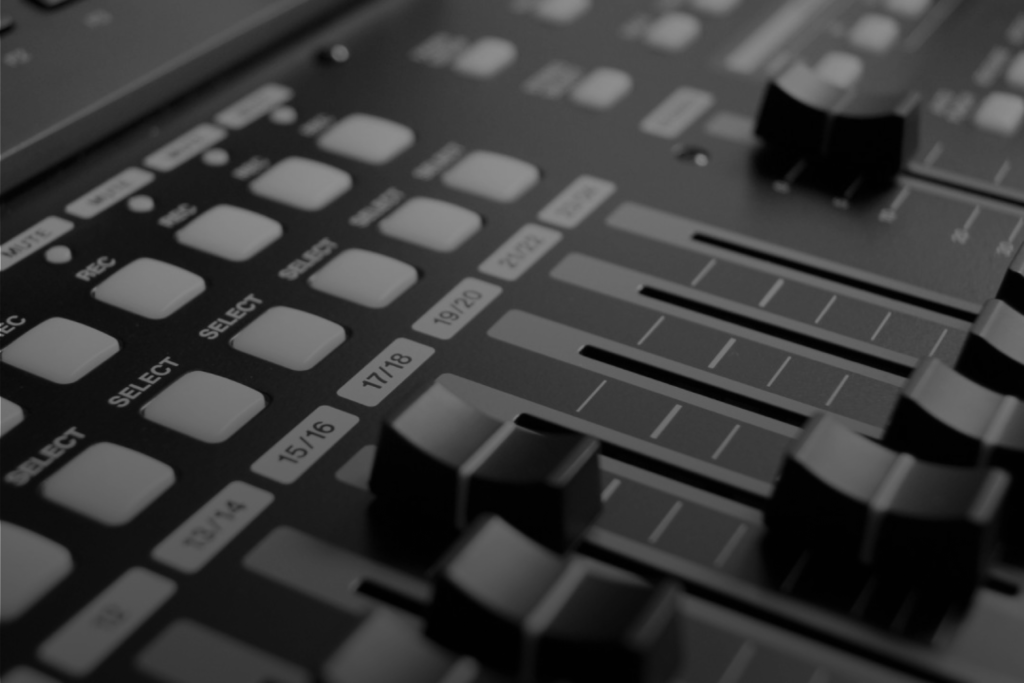
SOUND DESIGN
Why Sound Design Matters in Media
In modern media production, visuals alone are not enough to deliver a complete experience. Whether in film, advertising, or interactive platforms, sound design is a critical component that shapes perception, emotion, and engagement. From subtle ambient layers to complex audio environments, sound design transforms content from something seen into something fully experienced.
Sound as a Core Storytelling Layer
Sound design plays a fundamental role in storytelling. It supports narrative structure by:
establishing environment and context
highlighting key moments
guiding emotional progression
reinforcing character and action
In many cases, sound communicates meaning that visuals cannot deliver alone.
Enhancing Emotional Impact
Emotion is central to all forms of media. Sound design allows creators to control how audiences feel in each moment. Examples include:
• tension built through ambient sound
• excitement driven by dynamic effects
• intimacy created through minimal audio
• drama enhanced through layered sound textures
This emotional precision is essential for effective storytelling and brand communication.
Creating Realism and Immersion
In film and digital media, realism depends heavily on sound. Without sound design, visuals can feel disconnected or artificial. Sound design enhances realism by:
recreating natural environments
adding spatial depth
synchronizing audio with action
creating believable soundscapes
This is especially important in high-production-value content.
Supporting Brand Messaging in Advertising
In advertising, every second matters. Sound design helps brands communicate more effectively by:
• reinforcing the message through audio cues
• increasing memorability
• enhancing brand identity
• supporting emotional storytelling
Well-designed sound can make an advertisement more impactful and recognizable.

Improving Engagement in Interactive Media
Interactive media—such as apps, games, and digital platforms—relies heavily on sound design. Audio elements provide feedback and enhance usability. Examples include:
interface sounds
interaction feedback
notifications and alerts
immersive game audio environments
These elements improve user experience and engagement.
Synchronization With Visuals and Timing
Precise synchronization between sound and visuals is critical. Sound design must align with:
• visual transitions
• movement and action
• pacing and rhythm
• key narrative moments
This synchronization ensures a cohesive and professional result.
Differentiation Through Audio Quality
High-quality sound design is often what separates premium content from average production. Brands and creators that invest in sound design benefit from:
higher perceived production value
stronger audience engagement
more professional output
improved competitive positioning
Adapting Across Multiple Platforms
Modern content is distributed across multiple platforms, including:
• cinema and broadcast
• social media and digital platforms
• mobile applications
• immersive installations
Sound design must be optimized for each platform while maintaining consistency.
Conclusion
Sound design is not an optional enhancement—it is a foundational element of film, advertising, and interactive media. By shaping emotion, enhancing realism, and supporting storytelling, it transforms content into a fully immersive experience. For brands, agencies, and media producers, investing in professional sound design is essential to delivering high-quality, impactful content that resonates with modern audiences.
Next Article
In modern visual media—whether film, advertising, or digital content—storytelling is no longer driven by visuals alone. Sound design plays a critical role in shaping narrative, emotion, and audience perception, often determining how effectively a story is understood and remembered. When used strategically, sound design transforms visual content into a fully immersive and emotionally engaging experience.