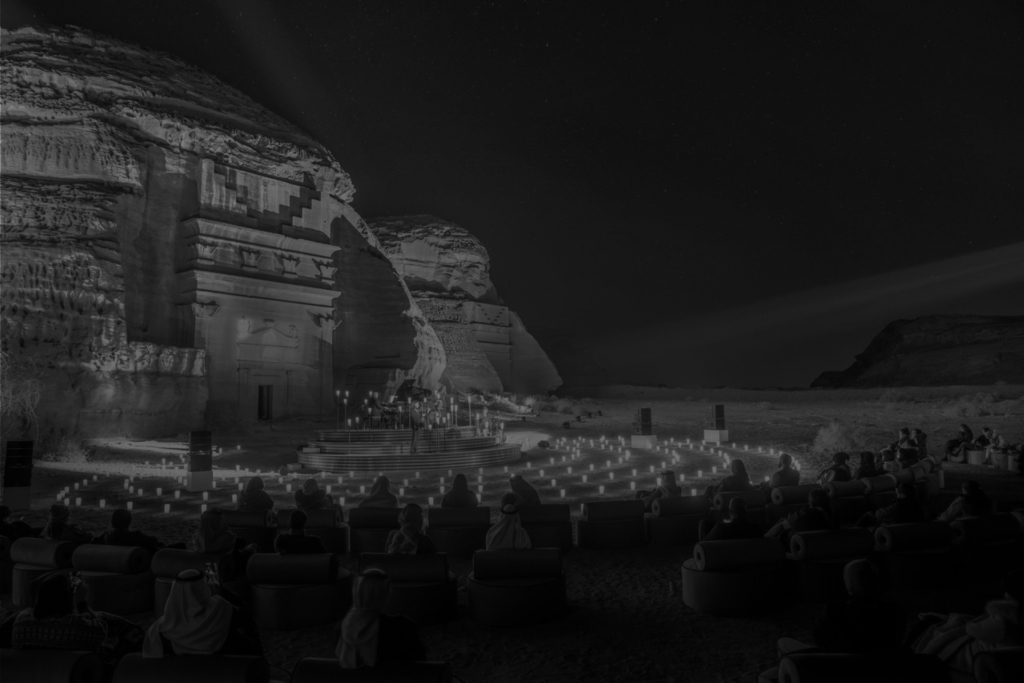
Why Music Matters
in Cultural Events
Cultural events are designed to celebrate identity, heritage, and shared values. In today’s experience-driven landscape, simply presenting information or visuals is no longer enough. Audiences expect immersive, emotionally engaging experiences—and music plays a central role in delivering that. Musical experiences are essential to cultural events because they translate culture into emotion, memory, and participation.
Music as a Universal Cultural Language
Music transcends language barriers and communicates meaning instantly. In cultural events, it helps:
express traditions and heritage
communicate cultural narratives
connect diverse audiences
create shared understanding
This makes music one of the most effective tools for cultural expression.
Enhancing Emotional Connection
Cultural events are built on emotional resonance. Music strengthens this by:
• evoking pride and belonging
• amplifying key moments
• creating emotional continuity
• deepening audience engagement
Without music, cultural storytelling often loses emotional depth.
Bringing Heritage to Life
Music transforms cultural heritage from static information into a living experience. It enables:
recreation of traditional environments
performance of historical narratives
preservation of cultural identity
engagement with heritage in real time
This helps audiences experience culture rather than just observe it.
Supporting National and Institutional Objectives
In many regions—especially in Saudi Arabia—cultural events align with broader national strategies. Musical experiences support these goals by:
reinforcing national identity
enhancing cultural positioning
supporting tourism and entertainment sectors
elevating international perception
Supporting Storytelling and Narratives
Cultural events often revolve around storytelling—whether historical, national, or artistic. Music enhances storytelling by:
• guiding narrative flow
• emphasizing transitions and highlights
• supporting visual and theatrical elements
• reinforcing cultural themes
It acts as a narrative backbone throughout the experience.
Strengthening Collective Experience
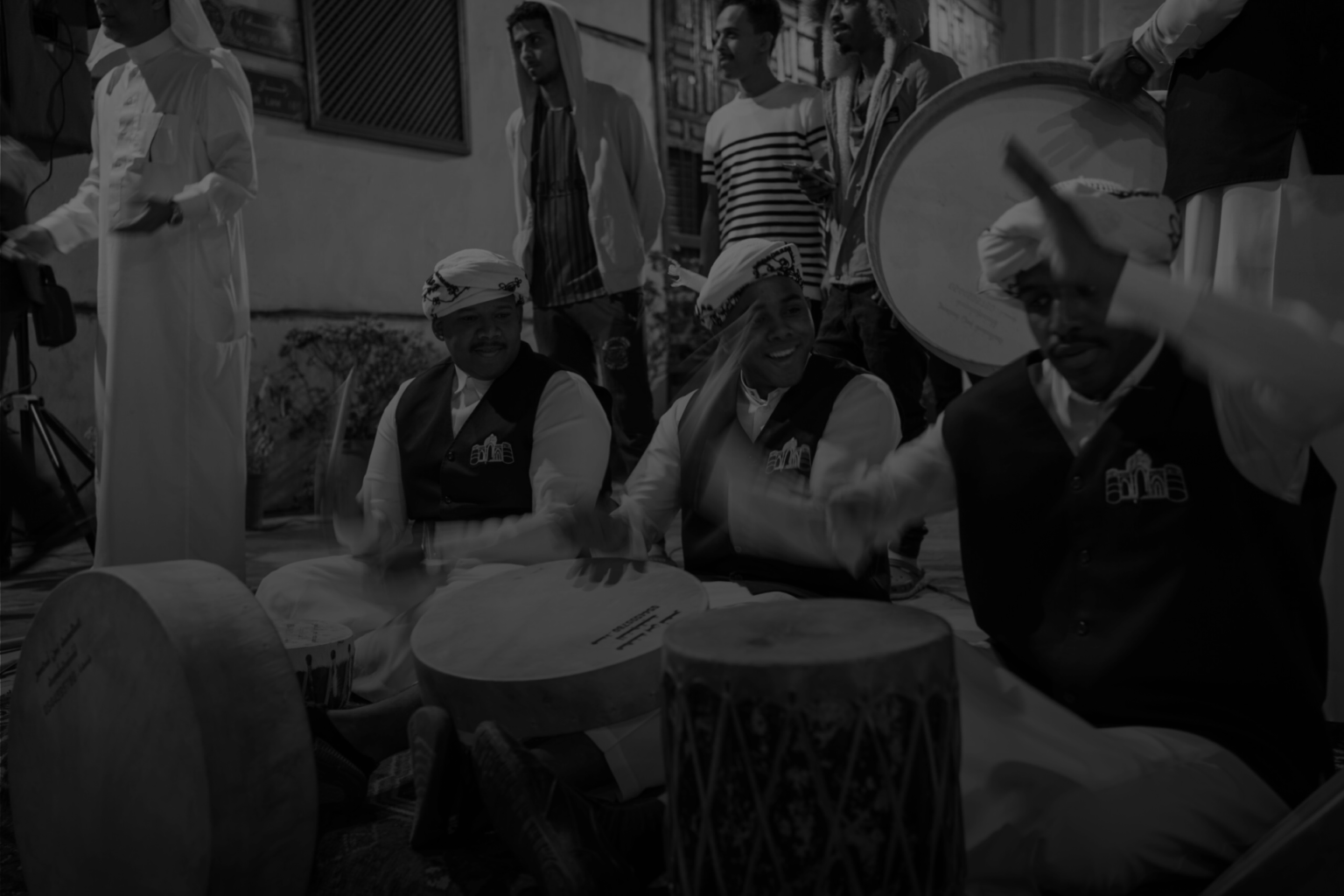
Cultural events are often shared experiences. Music amplifies this by:
• synchronizing audience reactions
• creating collective emotional moments
• encouraging participation (singing, clapping, movement)
• fostering a sense of unity
This collective energy is key to successful cultural events.
Creating Immersive Environments
Modern cultural events are increasingly immersive. Music contributes to this by:
building atmospheric soundscapes
integrating with lighting and visuals
surrounding audiences with sound
enhancing spatial awareness
This immersion increases audience engagement and retention.
Integrating With Modern Event Production
Today’s cultural events combine multiple production elements. Music integrates with:
• live performances
• digital projections
• interactive installations
• large-scale stage productions
This integration creates cohesive, high-quality experiences.
Conclusion
Musical experiences are not an optional addition to cultural events—they are a fundamental component of their success. By enhancing emotion, supporting storytelling, and creating immersive environments, music transforms cultural events into meaningful, memorable experiences. For organizers, institutions, and brands, investing in professional musical experiences is essential to delivering impactful cultural events that resonate with modern audiences.
Next Article
As live events evolve into experience-driven platforms, audience expectations have shifted from passive attendance to active participation and engagement. For large-scale events, this transformation requires more than performance—it demands strategic design of interactive musical experiences.