SOUND DESIGN
Sound Design For Interactive Spaces
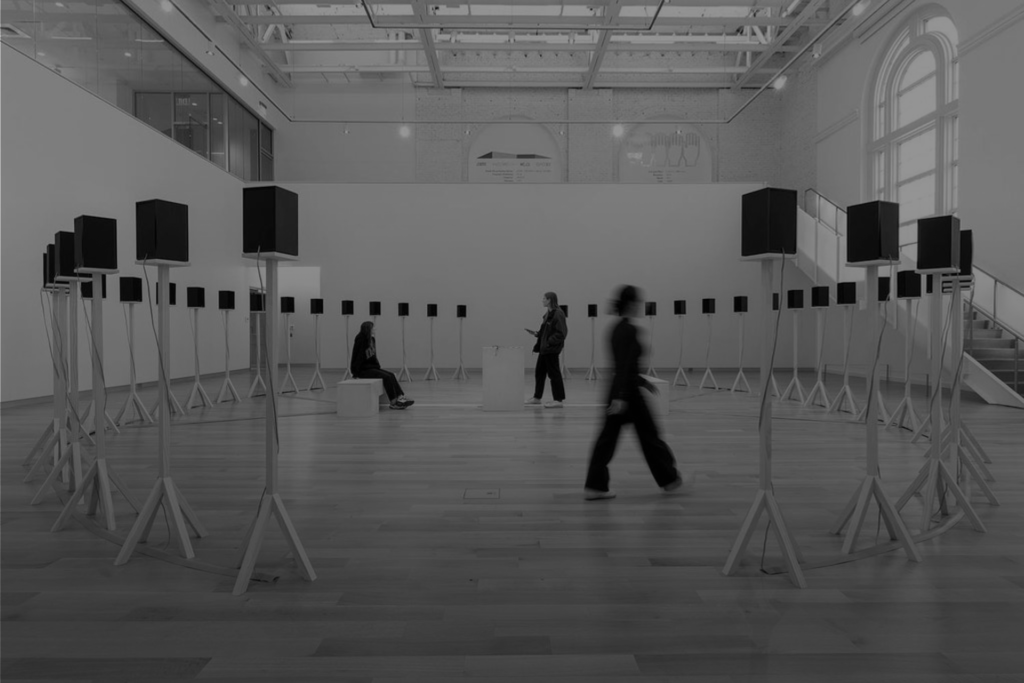
Museums, exhibitions, and interactive spaces are evolving from static displays into dynamic, experience-driven environments. Today, visitors expect more than visual information—they seek engaging, immersive, and memorable experiences. In this transformation, sound design plays a critical role in shaping how visitors perceive, navigate, and connect with content. It enhances storytelling, strengthens engagement, and brings spaces to life.
Transforming Static Spaces Into Living Experiences
Traditional exhibition spaces relied heavily on visuals and text. Modern environments integrate sound to create depth and interactivity. Sound design helps:
animate static displays
create atmosphere and presence
enhance spatial perception
make environments feel alive
This shift turns passive viewing into active experience.
Enhancing Educational Storytelling
Museums and exhibitions are built around storytelling and knowledge sharing. Sound design supports this by:
• simplifying complex information
• guiding narrative flow
• reinforcing key messages
• adding emotional context to educational content
Audio allows visitors to absorb information more intuitively.
Creating Thematic Sound Environments
Each space within a museum or exhibition often represents a different theme or narrative. Sound design enables:
distinct audio identities for each zone
seamless transitions between themes
contextual soundscapes aligned with content
immersive storytelling across environments
This segmentation improves clarity and engagement.
Supporting Multilingual and Inclusive Experiences
Modern exhibitions attract diverse audiences from different backgrounds. Sound design supports inclusivity through:
• multilingual audio content
• voice-over narration
• audio guides and headsets
• accessible audio solutions for different user needs
This ensures a wider reach and better visitor experience.
Enabling Interactive Engagement
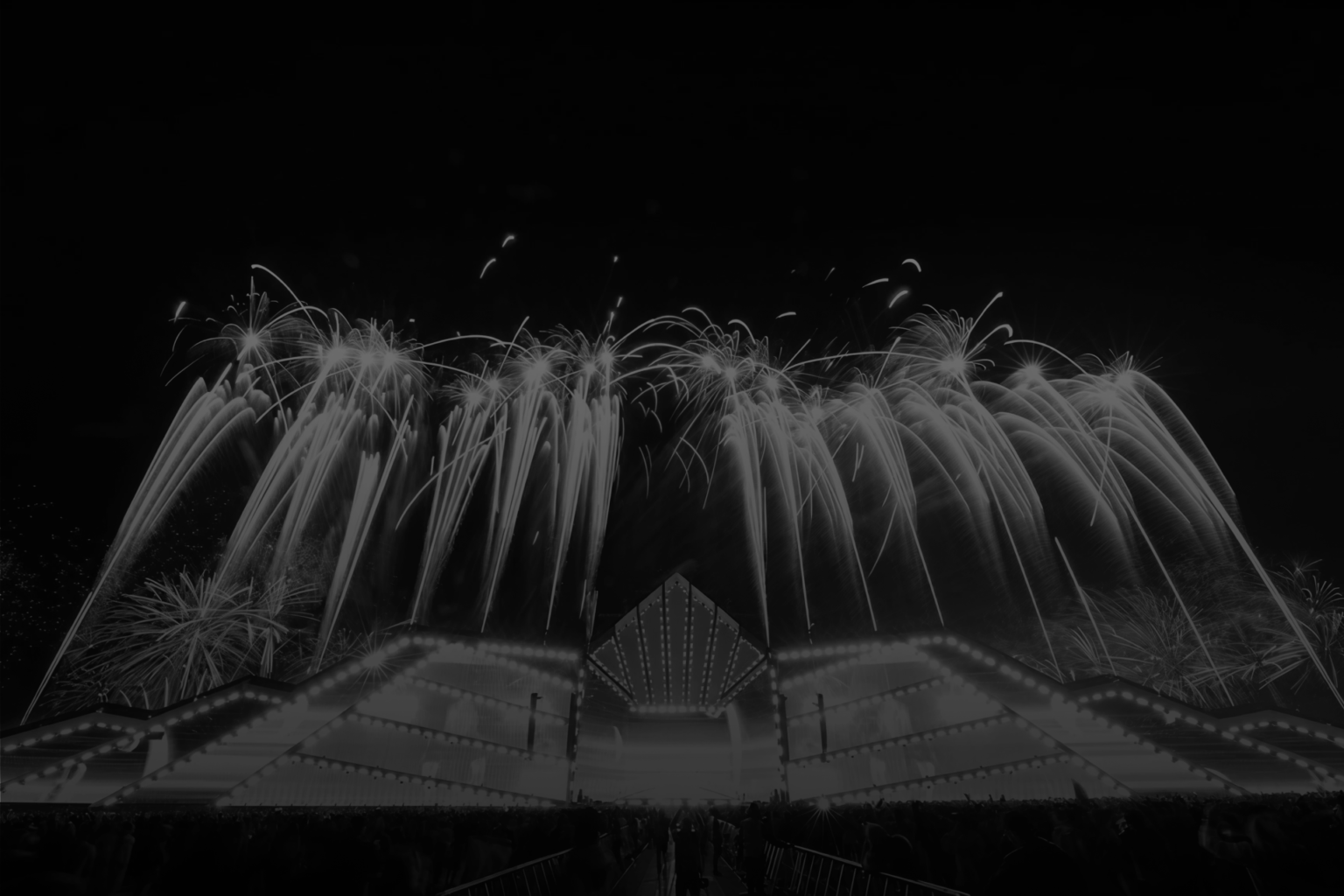
Interactive spaces rely heavily on responsive sound design. Sound can be triggered by:
touch interfaces
motion sensors
user interaction
environmental changes
This real-time audio feedback enhances engagement and participation.
Guiding Visitor Movement and Flow
Sound design can influence how visitors move through a space. It helps:
• direct attention to key exhibits
• guide visitors between sections
• signal transitions and entry points
• manage crowd flow in large environments
This improves both experience and operational efficiency.
Integrating Sound With Visual and Digital Systems
Effective sound design must be integrated with other technologies. This includes:
projection mapping
lighting systems
digital displays
AR/VR experiences
Preserving Cultural and Historical Authenticity
In museums and heritage exhibitions, authenticity is essential. Sound design can:
• recreate historical environments
• simulate cultural soundscapes
• enhance authenticity of exhibits
• connect visitors with heritage
This deepens the emotional and cultural impact.
Long-Term Value and Reusability
Sound assets developed for exhibitions can be reused in:
digital archives
virtual tours
educational platforms
future exhibitions
Conclusion
Sound design is a fundamental element in modern museums, exhibitions, and interactive spaces. By enhancing storytelling, enabling interaction, and creating immersive environments, it transforms how audiences experience information and culture. For institutions and organizers, investing in professional sound design is essential to delivering engaging, accessible, and impactful visitor experiences.
Next Article
Saudi Arabia’s media and entertainment sector is undergoing rapid transformation driven by Vision 2030. With the rise of large-scale productions, cultural initiatives, and immersive experiences, sound design has become a strategic pillar in delivering high-quality content across the Kingdom.